If you search for how to improve gut flora, you quickly end up in a strange corner of the internet filled with yogurt, powders, detox promises, and people talking as if they personally know every bacterium in their colon. The topic itself is real. The problem is that the hype is often much bigger than the clarity. Official sources do support the idea that diet can influence the gut microbiome, especially through adequate fiber, minimally processed foods, and some fermented foods.
When people say gut flora, they usually mean the gut microbiome — the huge community of microorganisms living in the digestive tract. A more useful way to think about it is not “installing” perfect bacteria, but supporting a healthier environment through everyday habits. That framing is much closer to what reputable health sources actually suggest than the usual miracle-marketing version.

What really helps your microbiome
1. More fiber — but not all at once
Fiber is one of the strongest levers if you want to support gut flora. The NHS recommends about 30 grams of fiber a day for adults and highlights sources such as wholemeal bread, brown rice, fruit, vegetables, beans, and oats. NIDDK also points to research showing that adequate dietary fiber and minimally processed foods can reshape the human gut microbiome.
The catch is simple: more fiber is helpful, but too much too quickly can backfire with gas, bloating, and abdominal discomfort. That is exactly why gradual change is smarter than a dramatic overnight makeover. Your gut may like support, but it does not necessarily enjoy a surprise festival of lentils, bran, and enthusiasm.
2. Variety matters more than food obsession
The NHS does not recommend getting fiber from one heroic “health food.” It recommends getting it from a variety of sources. That is important because a more diverse mix of whole grains, oats, beans, vegetables, and fruit is a much more realistic long-term approach than trying to fix everything with one spoonful of flaxseed and a superior attitude.
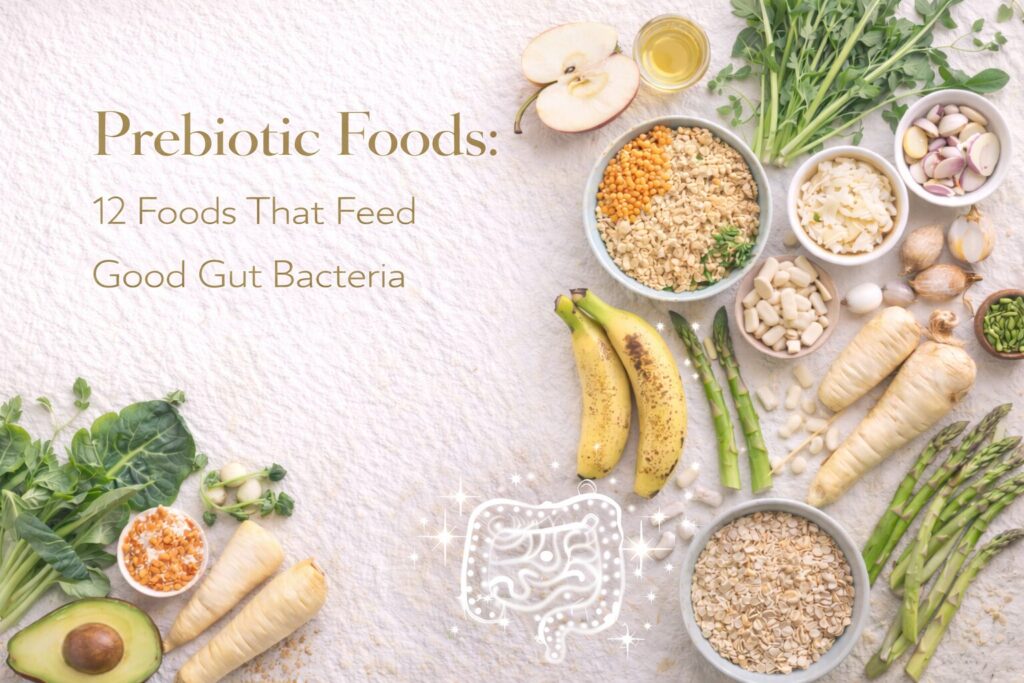
Harvard Health makes a similar point when discussing prebiotic foods: beans, whole grains, vegetables, fruits, garlic, bananas, onions, and asparagus can all help feed beneficial microbes. That supports a broad, plant-rich eating pattern much more than the idea that one trendy product is going to save your microbiome single-handedly.
3. Prebiotic foods deserve more attention than they usually get
Prebiotics are food components the body does not fully digest but that may be used by gut microorganisms. Mayo Clinic explains that prebiotics may trigger the growth of “good” gut microbes and that they are mainly found in high-fiber foods. In plain English: before spending money on fancy supplements, it is often worth looking at what is already on your plate.
Practical prebiotic foods commonly mentioned by Harvard include beans, whole grains, oats, bananas, garlic, onions, and asparagus. That is useful because it means supporting the microbiome often looks less like buying something exotic and more like improving your weekly grocery list. Glamour suffers a little, but your budget may appreciate it.
4. Fewer heavily processed foods is usually the more sensible direction
NIDDK’s research summary points toward a pattern of adequate fiber plus minimally processed foods as beneficial for the gut microbiome. That is a much more grounded takeaway than the usual “one cleanse will fix everything” fantasy.
That does not mean one cookie destroys your gut bacteria forever. It means that an eating pattern built mostly around heavily processed foods is probably not the best foundation if your goal is to support healthier gut bacteria over time. Reasonable, unexciting, and annoyingly true.
5. Fermented foods can help — but they are not magic
Harvard Health describes fermented foods such as yogurt, kefir, sauerkraut, and kimchi as potential sources of beneficial microbes. More recent Harvard guidance also notes that fiber and fermented foods may play important roles in gut health.
The important word here is potential. The NHS says probiotics and probiotic foods may help in some situations, but it also makes clear that the evidence is limited for many of the claims people love to repeat online. So fermented foods can be useful, but they are better seen as one possible part of the plan, not the entire plan wearing a halo.
6. Enough fluids still matter
The more fiber you eat, the more important fluids become. The NHS explicitly connects fiber intake and digestion, and also stresses that fiber helps digestion and constipation prevention as part of an overall healthy bowel pattern. In practical terms, adding more whole grains, beans, oats, and vegetables while forgetting to drink enough water is not exactly a masterstroke.
This may not be the most glamorous microbiome insight ever published, but it is useful: more fiber and not enough water is a very ordinary way to create very ordinary digestive misery.

What is overrated or often misunderstood
1. “One probiotic capsule will rebuild my gut flora”
That is far too simplistic. The NHS says there is some evidence that probiotics may help in certain cases, but also notes that there is little evidence for many of the wider health claims made about them. Mayo Clinic is similarly cautious, saying research has shown promise, but has not proved that probiotics and prebiotics improve health for everyone or are safe for everyone.
That does not mean probiotic supplements are always useless. It means they are not a universal shortcut. In many cases, a more fiber-rich, less processed eating pattern is the sturdier foundation, even if it looks less exciting than a capsule with impressive branding.
2. Detoxes, colon cleanses, and “gut resets”
Mayo Clinic is refreshingly direct on this point: you do not need a colon cleanse to get rid of toxins. Colon cleansing is mainly used before certain medical procedures, not as an everyday wellness strategy for a healthier microbiome.
For normal digestive health, the much less dramatic route is usually the more sensible one: eat more fiber, rely less on heavily processed food, drink enough fluids, and stop expecting your gut to be transformed by a theatrical weekend cleanse. Your microbiome is many things, but apparently it is not especially impressed by wellness cosplay.
3. Changing everything at once
This is one of the most common mistakes. If you suddenly add large amounts of whole grains, legumes, fermented foods, raw vegetables, and supplements all in the same week, you may end up concluding that “something is wrong” when the real issue is simply that you changed too much too fast. The guidance around fiber and gut health points pretty consistently toward gradual change, not digestive shock therapy.
In theory that all-in approach sounds motivated. In real life it often ends in bloating, confusion, and a dramatic declaration that your body “cannot tolerate anything.” Sometimes that is true. Very often it is just bad pacing wearing a lab coat.
How to start supporting gut flora today
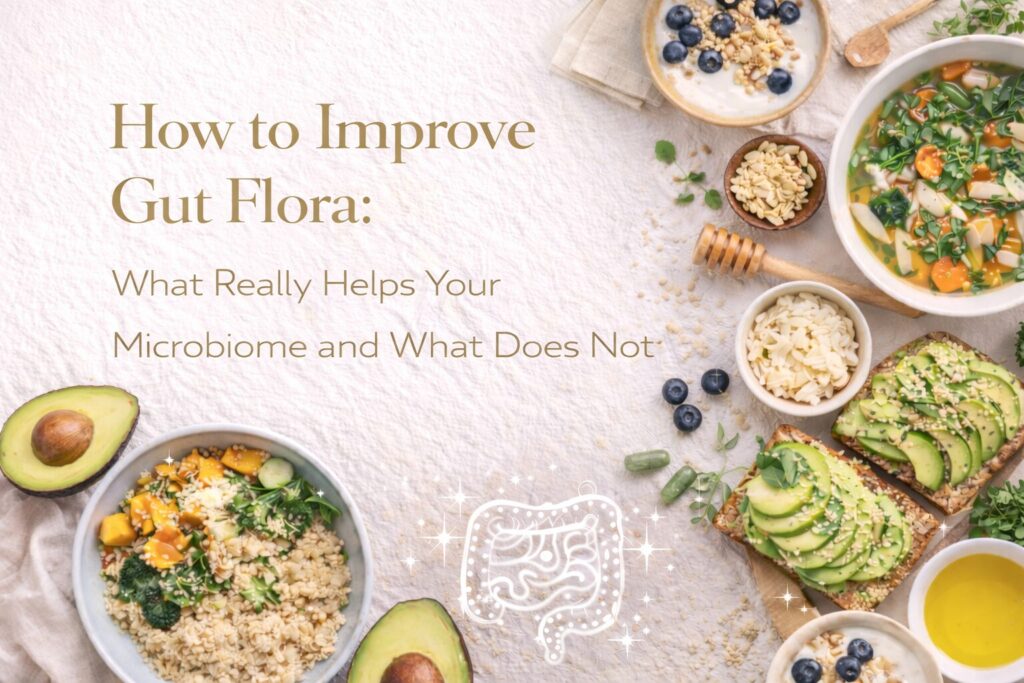
A sensible starting point usually looks surprisingly ordinary: oats or whole grains at breakfast, more water during the day, vegetables or legumes on a regular basis, and fewer heavily processed snack foods. That overall direction lines up much better with reputable health guidance than the idea of chasing one miracle product after another.
That is intentionally unglamorous. But when it comes to the microbiome, sustainable beats dramatic almost every time.
MY HEARTFELT RECOMMENDATION:
Why Forever Living Was a Game-Changer for Me
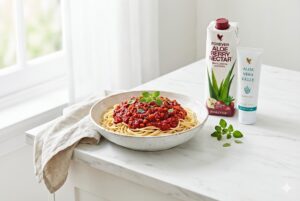
My dear friends, when we talk about gut health, we can’t ignore the quality of what we put into our bodies. Especially with histamine intolerance (HIT), our gut is often a sensitive “hotbed of trouble.” I searched for years and finally found the purity my body accepts with Forever Living. Why? Because Forever doesn’t just process aloe vera—it brings it to life—from the plant directly into the product, without unnecessary fillers or artificial additives.
Here are my three personal staples for your routine:
- Clean 9 (C9)*: My reset button! It’s not a diet, but a cleanse from the inside. It helps the body let go of the old and reset the microbiome—perfect for increasing histamine tolerance again.
- Aloe Vera Gel (Item 815)*: The “yellow gold.” With 99.7% pure leaf pulp, it’s like a gentle hug for your intestinal lining. Important for us: It contains no added citric acid, which could trigger us. A shot glass full (approx. 3.4 fl. oz.) in the morning works wonders.
- Forever Active Pro-B (Item 610)*: Probiotics are often tricky with HIT, but this formula with six synergistic bacterial strains is a godsend. It helps restore balance without causing the histamine barrel to overflow.
The products are linked to my shop if you’re interested.
When symptoms should be checked properly
If you have ongoing digestive symptoms such as persistent abdominal pain, major bowel changes, weight loss, blood in the stool, or symptoms that keep getting worse, it is worth getting medical advice instead of endlessly trying to “fix your gut flora” on your own. Self-help has limits, and persistent warning signs should not be dressed up as a wellness project. Guidance from major health organizations is cautious about overselling supplements for exactly that reason.
FAQ
How can I improve gut flora?
The most reliable approach is usually a consistent one: eat more fiber-rich foods, include more plant variety, drink enough water, and make changes gradually rather than all at once. Official guidance points more strongly toward long-term eating patterns than quick-fix supplements. In practice, gut flora seems to respond better to steady habits than to dramatic “reset” plans that look impressive for three days and then disappear.
What is better for gut flora: probiotics or prebiotics?
That is a bit too neat as a question. Prebiotics are food components, mainly in high-fiber foods, that feed beneficial microbes. Probiotics are live microorganisms found in some foods and supplements. The evidence for probiotic benefits is mixed, while a fiber-rich, prebiotic-style diet has more consistently solid support. So the smarter answer is usually “both can matter, but diet is the stronger foundation.”
Which foods really help the microbiome?
Foods commonly linked with microbiome support include oats, whole grains, beans, lentils, fruit, vegetables, and prebiotic foods such as garlic, onions, bananas, and asparagus. Fermented foods like yogurt, kefir, sauerkraut, and kimchi may also help, but they are better treated as useful additions than as the whole strategy. The overall pattern matters more than any single “gut health” food.
Do probiotic supplements actually work?
Sometimes they may help, but not in the sweeping way marketing often suggests. The NHS says there is some evidence for certain uses, but little evidence for many broader claims, and Mayo Clinic also describes the evidence as promising but not definitive for everyone. That means supplements may be worth considering in some cases, but they are not automatically the most important or most effective place to start.
What tends to harm gut flora?
A low-fiber eating pattern with lots of heavily processed foods is generally considered less supportive of the gut microbiome. On top of that, extreme detoxes, abrupt overhauls, and unrealistic supplement expectations often create more confusion than progress. Usually the bigger problem is not one single food, but the overall pattern of habits repeated day after day.
Final thoughts
Trying to improve gut flora is less about one perfect probiotic and more about a pattern of habits. Based on current mainstream guidance, the most sensible foundations are more fiber, more plant variety, enough fluids, more prebiotic foods, fewer heavily processed foods, and realistic expectations about fermented foods and supplements.

Always Tired, Bloated, and Irritable? Why Histamine Might Be the Hidden Culprit.

Juicy Organic Chicken with Rosemary Potatoes | Low-Histamine