Welcome to Happy Hista Life

Goodbye, histamine intolerance

I’ll show you how to become symptom-free!

Histamine intolerance: symptoms, causes, and ways to improve

Histamine intolerance (HIT) – often referred to as histamine intolerance – affects around 1 to 3% of the population. Those affected often suffer from vague symptoms for years before receiving the correct diagnosis. This guide provides a comprehensive overview of the condition.


What is histamine intolerance?

Contrary to popular belief, HIT is not a classic allergy. While an allergy causes the immune system to react to harmless proteins, histamine intolerance is a metabolic disorder.

Histamine is a biogenic amine that is produced by the body itself and also absorbed through food. In a healthy organism, the enzyme diamine oxidase (DAO) breaks down histamine in the small intestine. In cases of intolerance, the activity of this enzyme is insufficient, causing histamine levels in the blood to rise and triggering a variety of symptoms.

infographic on histamine degradation

Causes of impaired enzyme activity

A distinction is made between a congenital and an acquired form:

Primary HIT: A genetic predisposition leads to a permanent reduction in DAO production.

Secondary HIT: The more common form. Here, enzyme performance is limited by external factors:

  • Intestinal diseases: Since DAO is located in the mucosal cells of the small intestine, inflammation (e.g., leaky gut, celiac disease) can inhibit production.
  • Medications: Active ingredients such as contrast agents, certain painkillers (diclofenac), or mucolytics can block DAO.
  • Nutrient deficiency: Vitamin B6, vitamin C, and copper are essential for DAO function.

The diverse range of symptoms

I know how you feel.

Symptoms usually occur immediately or up to two hours after eating. Since histamine receptors are distributed throughout the body, the symptoms are often nonspecific:

  • Skin: Sudden redness (flushing), itching, hives.
  • Gastrointestinal: Bloating, cramps, diarrhea (often immediately after eating).
  • Head: Migraine attacks, tension headaches, dizziness.
  • Cardiovascular: Palpitations, fluctuations in blood pressure.
  • Respiratory tract: Stuffy or runny nose (especially when consuming red wine).
I thought Histamine Intolerance meant the end of delicious food, but these recipes proved me wrong! The Shopping List has become my constant companion at the grocery store. It’s so refreshing to get inspiration that isn't just safe (SIGHI-compliant!) but also truly tasty. Thank you for all the positive energy!

james is cooking in the kitchen.
James
passionate home cook
Quality is not an option – it’s a necessity.

Why I trust Forever Living: Quality you can feel

When I was first diagnosed with Histamine Intolerance, I was terrified of trying new supplements. I needed to know exactly what went into my body. That’s why I chose to partner with Forever Living. In this video, I want to show you the "why" behind the products. From the hand-harvested Aloe fields to the rigorous quality tests, you’ll see the care that goes into every single bottle. For me, these products were the key to finally calming my system and regaining my energy.

1. Forever Aloe Vera Gel™ * (The Foundation)

Why it matters: With HIT, your gut lining is often sensitized. This gel is as close to nature as it gets – 99.7% pure inner leaf juice, no added preservatives, and certified by the International Aloe Science Council. It supports your digestion and helps create a stable environment where your body can heal itself.

2. Forever Active Pro-B™ * (The Balance)

Why it matters: Not all probiotics are created equal, and some can actually trigger histamine. Forever Active Pro-B uses 6 clinically studied, synergetic bacterial strains that are designed to support a healthy microbiome without overwhelming your system. It’s my daily go-to for keeping my "gut-brain axis" in check.

3. Forever Absorbent-C * (The Natural Shield)

Why it matters: Vitamin C is a natural antihistamine, but many supplements are too acidic or contain fillers. Absorbent-C is bonded with oat bran, which allows for a slow, gentle release. This ensures your body is consistently supported throughout the day, helping to stabilize histamine levels naturally and effectively.

After my diagnosis, I was completely overwhelmed and actually afraid to eat. The Happy Hista Life newsletter was my literal lifesaver! The Weekly Meal Plan took all the pressure off—I stopped spending hours worrying about what to cook and just started enjoying my meals again. I finally feel safe in my kitchen.

lotus spa template about team img 2
Sarah
thriving with HIT for 3 months

Nutrition and lifestyle

The most important pillar of treatment is a low-histamine diet. The basic rule here is: freshness is everything. Histamine is produced by bacterial decomposition—the longer a food is stored or matures, the more histamine it contains.

Critical foods:

  • Aged foods: cheese (Parmesan, mountain cheese), salami, raw ham.
  • Fermented foods: sauerkraut, soy sauce, vinegar, kombucha.
  • Certain fruits/vegetables: tomatoes, avocados, spinach, strawberries, citrus fruits.
  • Beverages: red wine, sparkling wine, dark beer.

Well-tolerated alternatives:

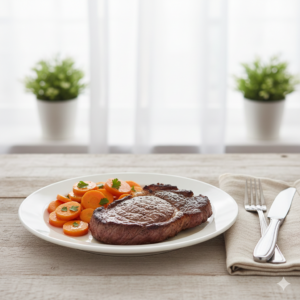
  • Fresh: Meat (chilled/frozen), freshly caught fish.
  • Fruit/vegetables: Apples, blueberries, zucchini, broccoli, potatoes.
  • Grains: Rice, corn, spelt.
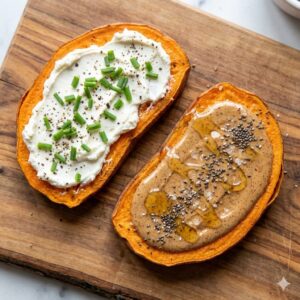
  • Dairy products: Cream cheese, young Gouda, quark.
comparison histamine poor and rich

Stop the Stress – Start Enjoying Again! 🌿

Feeling overwhelmed by your Histamine Intolerance diagnosis? Does every trip to the grocery store feel like a puzzle you just can’t solve? I’ve been there, and I want to make it easier for you.

Join the Happy Hista Tribe and get my exclusive Low Histamine Starter Kit for FREE!

Your Welcome Gifts:

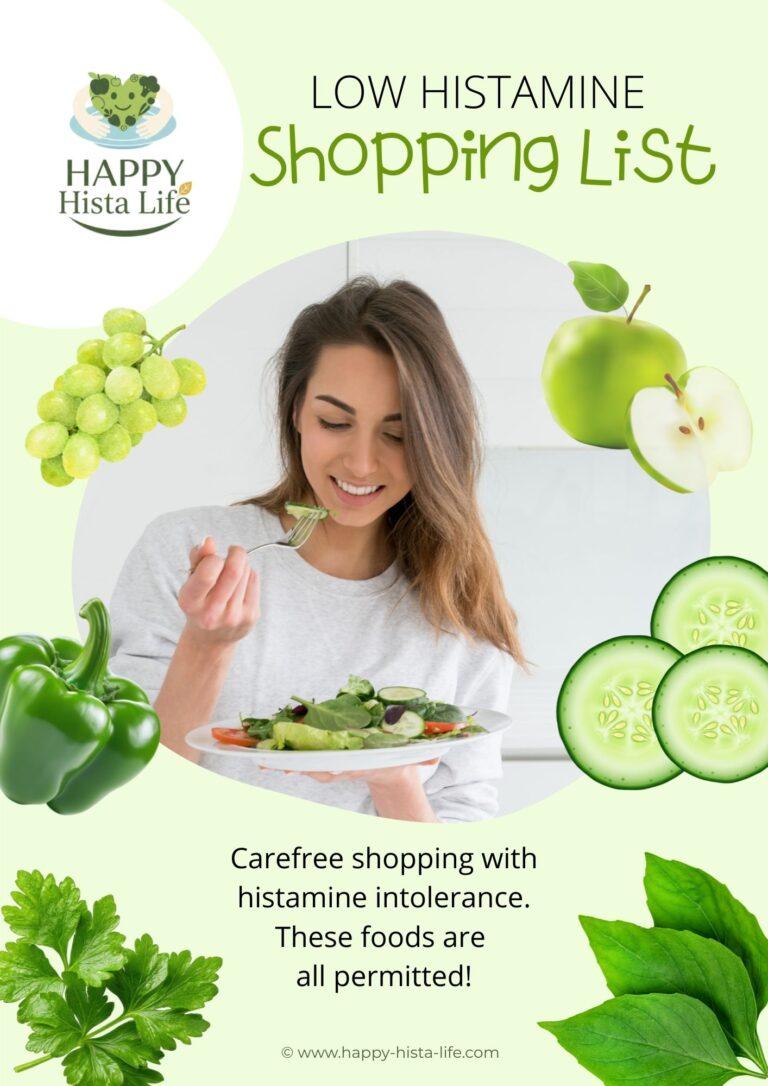
  • The Ultimate Low Histamine Shopping List: No more second-guessing in the aisles. A curated list of safe, delicious, and SIGHI-compliant foods.

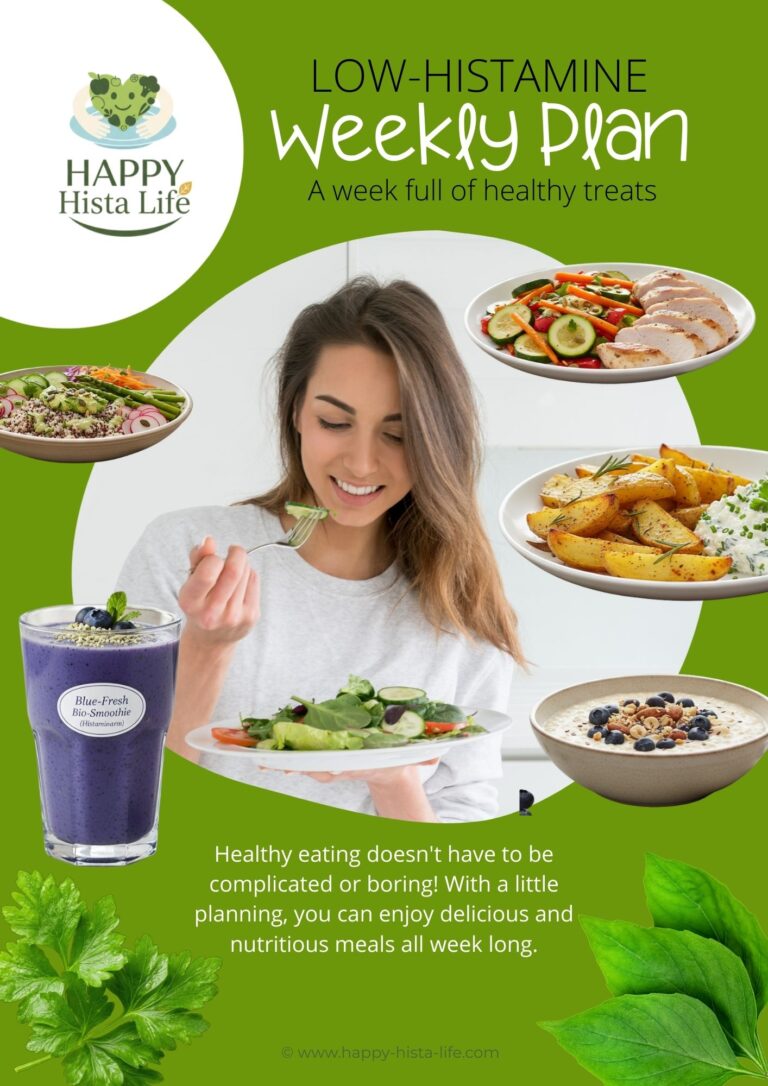
  • The “Relax & Cook” Weekly Meal Plan: A full 7-day plan with balanced recipes. All you have to do is follow along and enjoy – no complicated planning required!


Why subscribe?

By joining my newsletter, you’ll be the first to receive:

  • New Recipes: Seasonal, easy, and 100% histamine-friendly.

  • 💡 Expert Tips: From gut health to stress management.

  • 🌱 Motivation: Because you deserve a life full of flavor and energy, even with HIT

titelbild happy hista life pinterest en
What I love most about this newsletter is that it’s not just about what you 'can’t' have. The tips on gut health and stress management helped me see the bigger picture. You can tell this is expert knowledge shared with a lot of heart. I don’t feel like a 'patient' anymore; I feel like I’m finally back in the driver's seat of my own life.
elena is cooking in the kitchen.
Sarah
long-time community member

Diagnostic approach

The diagnosis is made using a process of elimination. The gold standard is a three-phase transition:

diagnose bath

Elimination phase (2–4 weeks):

Strict low-histamine diet to calm the system.

Test phase (6-8 weeks):

Targeted introduction of foods to determine tolerance limits.

Long-term nutrition:

Individually tailored meal plan for maximum quality of life.

Histamine and hormones

Did you know that many women are significantly more sensitive to histamine shortly before their period? This is due to falling progesterone levels. Histamine, in turn, can stimulate estrogen production—a cycle that often leads to increased menstrual pain. During pregnancy, however, the symptoms often disappear completely, as the placenta produces enormous amounts of DAO.

Frequently Asked Questions about Histamine Intolerance (HIT)

You have questions, we have answers. Here are the most essential facts regarding symptoms, diagnosis, and the low-histamine diet—explained clearly and concisely.

What are the most common signs of histamine intolerance?

When your body cannot break down histamine efficiently (often due to a DAO deficiency), it reacts almost like an allergic reaction. The symptoms are incredibly diverse: Common signs include sudden headaches or migraines, digestive issues like bloating, cramping, and diarrhea, as well as skin issues (flushing/hives), itching, a runny nose, or heart palpitations after eating. Crucially, these reactions are often delayed by hours, making it difficult to pinpoint the specific trigger food.

How is histamine intolerance accurately diagnosed?

Unfortunately, there is no single, reliable blood test for histamine intolerance, as DAO levels in the blood fluctuate significantly. The medical “gold standard” for diagnosis is a three-step elimination process. 1. Elimination Phase: You follow a strict low-histamine diet (ideally based on the SIGHI list) for 2–4 weeks to calm your system. Do symptoms improve? 2. Reintroduction Phase: You systematically reintroduce individual foods to determine your personal tolerance threshold. This requires patience but finally brings clarity!

What foods should I avoid on a low-histamine diet (SIGHI List)?

Don’t panic, delicious food is still possible! The golden rule for a low-histamine diet is: Freshness is key. Histamine builds up through aging and microbial fermentation. Avoid high-histamine foods like aged cheese (e.g., Parmesan), red wine, fermented meats (salami), canned fish, and certain vegetables (tomatoes, spinach, eggplant). Focus on fresh meat, fresh fish, and “young” vegetables (zucchini, potatoes, broccoli). We always rely on the SIGHI list for maximum safety guidelines.

Is histamine intolerance permanent or can it be cured?

Here is the good news: HIT is often not a life sentence but a warning signal from your body. It is frequently a symptom, not a standalone disease. If the root cause lies in gut dysbiosis, leaky gut, or nutrient deficiencies (e.g., Vitamin B6, copper, zinc), tolerance can improve significantly through targeted therapy and stress reduction—sometimes leading to complete remission. If the DAO deficiency is genetic (rarer), an individualized, adapted nutrition plan is the key to a high quality of life.

What is the connection between gut health and histamine?

Your gut is your “histamine headquarters.” The intestinal lining produces the majority of the DAO enzyme needed to degrade histamine from food directly in the gut. If the gut lining is inflamed (see “leaky gut“) or the microbiome is unbalanced, DAO production drops drastically. Furthermore, certain “unfriendly” gut bacteria can produce histamine themselves, increasing your overall load. Therefore, restoring gut health is the foundation of effective therapy. Be cautious with probiotics: some strains actually trigger histamine release!