Bloating and abdominal discomfort are incredibly common, even if people would usually rather discuss almost anything else. According to the NIDDK, research suggests that about 16% to 31% of people experience bloating, which makes it a very ordinary complaint rather than some strange digestive mystery.
The tricky part is that “my stomach feels off” can mean a lot of different things. Bloating may show up as fullness, pressure, swelling, discomfort, rumbling, or extra gas. NHS notes that common causes include gas in the gut, constipation, food intolerance, coeliac disease, and irritable bowel syndrome, and some people also feel more bloated around the time of their period.
That is why guessing rarely works for long. Sometimes the cause is simple, like eating too fast or drinking fizzy drinks. Sometimes it points to a digestive issue that deserves a closer look. So instead of treating every bloated belly like a dramatic medical thriller — or ignoring it forever — it helps to understand the most common reasons first.
What bloating and abdominal discomfort can feel like
Bloating does not always mean visible swelling. NHS describes it as feeling full, uncomfortable, or bigger than usual, often along with tummy pain, rumbling, or more wind than normal. NIDDK also lists belching, bloating, distention, and passing gas as common symptoms related to gas in the digestive tract.
1. Eating too fast and swallowing air
One of the most common and most overlooked causes is simply swallowing air. NIDDK explains that gas enters the digestive tract when you swallow air and when bacteria in the large intestine break down undigested carbohydrates. If you eat quickly, drink too fast, or talk your way through every meal, you may be giving your gut extra work before digestion has even really started.
This is not glamorous advice, but it is useful advice: slower eating can reduce one very basic cause of bloating. Sometimes the stomach is not “mysteriously inflamed.” Sometimes it is just tired of being treated like a speed challenge.
2. Certain foods and drinks
NHS says bloating is often linked to some foods and drinks, including some vegetables and fizzy drinks. NIDDK adds that some people get more gas symptoms when they consume too much fiber, while others notice more bloating after high-fat foods.
That does not mean these foods are bad. It means tolerance matters. A food can be healthy in general and still be annoying in a specific amount, setting, or combination. A rushed meal, a giant portion, and a fizzy drink can be a surprisingly effective recipe for feeling awful.
3. Constipation
Constipation is a major reason people feel bloated, heavy, and uncomfortable. NHS includes constipation among the common causes of bloating. NIDDK defines constipation as having fewer than three bowel movements a week, hard or difficult stools, or a feeling that not all stool has passed.
The frustrating part is that people do not always recognize it immediately. They may focus on the bloated feeling and miss the fact that the bigger issue is slow or incomplete bowel movements. Not every “sensitive stomach” is a mystery. Sometimes it is constipation wearing a slightly different outfit.
4. Food intolerances
If symptoms keep showing up after particular foods, food intolerance is worth considering. NHS lists food intolerance as a common cause of bloating, and says symptoms can include diarrhoea, bloating, wind, tummy pain, constipation, and nausea.
At the same time, this is where people often go a little off the rails. One uncomfortable meal does not automatically mean you have identified a lifelong intolerance. And removing food groups at random is usually not clever, just restrictive. If a pattern seems real, it is far better to document it properly than to start a dramatic breakup with half your kitchen.

5. Irritable bowel syndrome
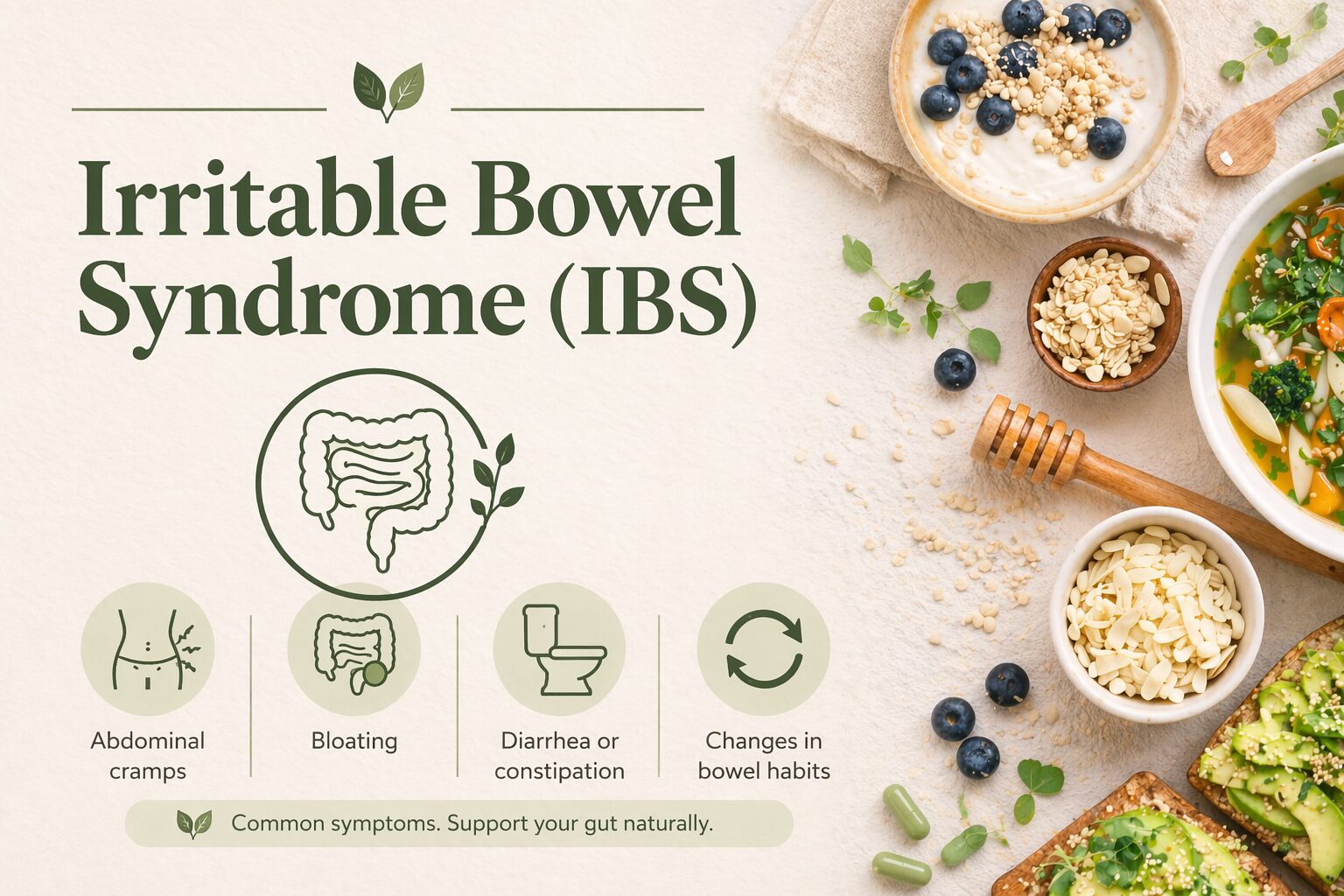
IBS is another very common explanation for recurring bloating and abdominal discomfort. NHS describes IBS as a common condition that affects the digestive system and can cause stomach pain or cramps, bloating, diarrhoea, and constipation. Symptoms are often worse after eating and may improve after a bowel movement.
That does not mean every bloated person has IBS. It does mean IBS belongs on the list when symptoms are ongoing, repetitive, and tied to bowel changes. In other words, if your gut keeps staging the same protest over and over again, it may be more than a one-off bad lunch.
6. Coeliac disease
Coeliac disease can also cause bloating and stomach discomfort. NHS lists abdominal pain, bloating, flatulence, indigestion, constipation, and diarrhoea among the common symptoms.
This is one reason not to self-diagnose too casually. Going fully gluten-free before medical testing can make later diagnosis more complicated. So if symptoms are persistent and you suspect gluten might be involved, the sensible move is not to improvise a diagnosis in your own kitchen.
7. Stress
Stress can affect digestion more than many people realize. NHS explains that stress and anxiety can throw digestion off balance. In some people it slows digestion, which may contribute to bloating, pain, and constipation; in others it can speed things up.
That does not mean the symptoms are “just in your head.” It means the gut and the rest of the body are not exactly strangers. If life feels like one long fire drill, your stomach may decide to participate.
8. Around your period
Some people feel noticeably more bloated around the time of their period. NHS specifically mentions this as a common reason for bloating.
This matters because symptoms that seem random may actually be cyclical. If bloating comes and goes in a pattern, tracking timing can be more useful than endlessly blaming whatever you ate last Tuesday.
9. Other digestive problems or warning signs
Abdominal discomfort is not always “just gas.” MedlinePlus notes that abdominal pain can have many causes and can vary depending on location, severity, and associated symptoms. Mayo Clinic advises seeing a healthcare professional if gas is severe or does not go away, especially if it comes with vomiting, diarrhoea, constipation, unintentional weight loss, blood in the stool, or ongoing heartburn.
That is not meant to be alarmist. It is just the grown-up version of digestive advice: common symptoms are often harmless, but persistent symptoms deserve more respect than a peppermint tea and a hopeful attitude.
What may actually help
NIDDK says that reducing excess gas often starts with practical steps such as swallowing less air, changing eating and drinking habits, and reviewing diet. It also notes that keeping a diary of foods, drinks, and gas symptoms can help identify triggers.
So the sensible first moves are usually simple: slow down when you eat, look at meal size, notice whether fizzy drinks are making things worse, and check whether constipation might be part of the picture. If constipation is involved, NIDDK recommends basics like enough fluids, enough fiber, and regular physical activity as part of prevention and relief.
What I would not recommend is launching a dramatic elimination diet every time your stomach misbehaves. That tends to create more confusion than clarity. Patterns, timing, and symptom tracking usually tell you far more than panic ever will.
MY HEARTFELT RECOMMENDATION:
Why Forever Living Was a Game-Changer for Me
My dear friends, when we talk about gut health, we can’t ignore the quality of what we put into our bodies. Especially with histamine intolerance (HIT), our gut is often a sensitive “hotbed of trouble.” I searched for years and finally found the purity my body accepts with Forever Living. Why? Because Forever doesn’t just process aloe vera—it brings it to life—from the plant directly into the product, without unnecessary fillers or artificial additives.
Here are my three personal staples for your routine:
- Clean 9 (C9)*: My reset button! It’s not a diet, but a cleanse from the inside. It helps the body let go of the old and reset the microbiome—perfect for increasing histamine tolerance again.
- Aloe Vera Gel (Item 815)*: The “yellow gold.” With 99.7% pure leaf pulp, it’s like a gentle hug for your intestinal lining. Important for us: It contains no added citric acid, which could trigger us. A shot glass full (approx. 3.4 fl. oz.) in the morning works wonders.
- Forever Active Pro-B (Item 610)*: Probiotics are often tricky with HIT, but this formula with six synergistic bacterial strains is a godsend. It helps restore balance without causing the histamine barrel to overflow.
The products are linked to my shop if you’re interested.
When to see a doctor
It is a good idea to speak to a doctor if bloating and abdominal discomfort are frequent, severe, persistent, or clearly getting worse. It is especially important if you also have blood in the stool, unexplained weight loss, vomiting, ongoing constipation or diarrhoea, major bowel changes, or significant pain. Mayo Clinic and NHS both flag persistent or severe symptoms as reasons to seek medical advice.
That is not overreacting. It is basic common sense. A sensitive stomach is one thing. A stomach that keeps sounding the alarm is another.
FAQ
What are the most common causes of bloating and abdominal discomfort?
Common causes include gas in the digestive tract, swallowing air while eating or drinking, constipation, certain foods or fizzy drinks, food intolerances, IBS, and coeliac disease. Stress can also make digestive symptoms worse, and some people notice more bloating around their period. The key is not just the symptom itself, but how often it happens, what seems to trigger it, and whether it comes with bowel changes or pain.
What helps a bloated stomach quickly?
The most useful first steps are usually simple ones: eat more slowly, avoid very large meals, cut back on fizzy drinks, and notice whether constipation may be contributing. NIDDK also recommends swallowing less air and reviewing eating and drinking habits to reduce gas symptoms. Quick relief is one thing, but if bloating keeps returning, tracking triggers is usually more helpful than relying on random “gut hacks.”
When is bloating no longer normal?
A certain amount of gas or fullness after eating can be normal. Bloating becomes more concerning when it is frequent, persistent, painful, or disruptive enough to affect everyday life. It should be checked sooner if it comes with warning signs such as vomiting, diarrhoea, constipation, weight loss, blood in the stool, or major changes in bowel habits. At that point, it is no longer just an annoying stomach day.
Can food intolerance cause abdominal discomfort?
Yes, it can. NHS says food intolerance may cause bloating, wind, tummy pain, diarrhoea, constipation, and other symptoms that often appear a few hours after eating the trigger food. But it is still worth being cautious: not every bad reaction points to a true intolerance, and cutting out foods too quickly can make things more restrictive than helpful. Tracking patterns is usually smarter than guessing.
Should I keep a food and symptom diary for bloating?
Yes, that can be genuinely useful. NIDDK says a diary of what you eat and drink, together with your gas symptoms, can help identify whether certain foods or drinks are contributing. It will not diagnose the problem on its own, but it can make patterns easier to spot and give you something much more concrete to work with if you need medical advice later.
Final thoughts
Bloating and abdominal discomfort are common, but they are not all the same. The cause might be swallowed air, certain foods, constipation, food intolerance, IBS, coeliac disease, stress, hormonal timing, or something else entirely. That is exactly why the best approach is usually not panic or guesswork, but careful observation and a willingness to investigate when symptoms keep coming back.
Put less elegantly: not every bloated stomach is a big deal, but not every bloated stomach should be shrugged off forever either.