If you start reading about gut health online, you will quickly run into the word prebiotics. And, as usual, the internet manages to make something fairly practical sound either wildly scientific or suspiciously magical. In reality, prebiotics are much less dramatic than that. Mayo Clinic explains that prebiotics are parts of food your body cannot digest that may help the growth of beneficial microbes in your gut, while Harvard describes them as food components that nourish helpful gut bacteria.
That distinction matters because people often confuse prebiotics with probiotics. Probiotics are live microorganisms found in certain foods and supplements. Prebiotics are the food source that helps support those microbes. Cleveland Clinic uses a similar distinction, describing prebiotics as fuel for gut microorganisms and probiotics as the live microbes themselves.

What prebiotic foods actually are
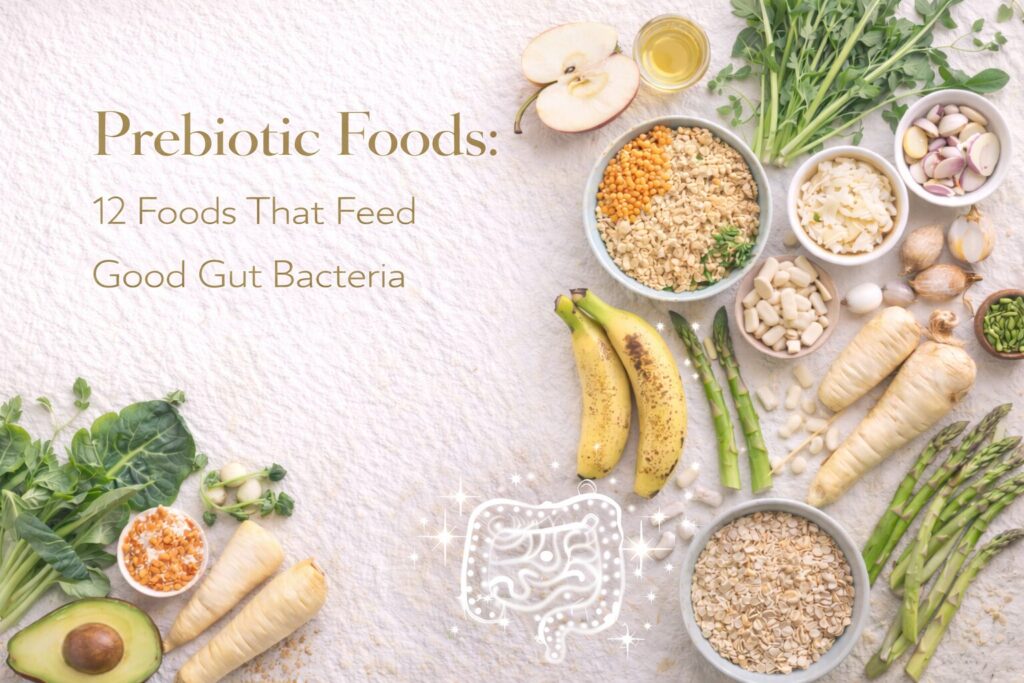
Prebiotic foods are usually fiber-rich plant foods rather than exotic specialty products. Harvard’s recent gut-health guidance lists prebiotic foods across four broad groups: vegetables like asparagus, artichokes, leeks, garlic, and onions; fruits like bananas, apples, and berries; grains like oats, barley, and whole-wheat products; and legumes like beans, lentils, and peas. That is a much more ordinary grocery list than most wellness marketing would like you to believe.
The NHS also recommends getting fiber from a variety of sources such as wholemeal bread, brown rice, fruit and vegetables, beans, and oats, and notes that a fiber-rich diet helps digestion and can help prevent constipation. So when people talk about “feeding the microbiome,” they are often really talking about a fairly sensible, plant-forward pattern of eating.
Why prebiotic foods matter for gut health
Harvard describes prebiotics as nourishment for beneficial gut bacteria, and Cleveland Clinic explains that when gut microbes ferment prebiotics, they produce short-chain fatty acids that support the gut in several ways. That is one reason prebiotic foods matter more than their very unglamorous reputation might suggest.
That said, more is not automatically better. Cleveland Clinic warns that increasing inulin and other prebiotic fibers too quickly can lead to bloating, diarrhea, flatulence, and abdominal discomfort, especially for people who are not used to much fiber. So yes, prebiotic foods can be helpful. No, your gut may not appreciate a sudden high-fiber personality transplant.
1. Oats
Harvard includes oats among prebiotic grain foods, and the NHS also lists oats as a useful fiber source for digestive health. That makes oats one of the easiest and most practical places to start, especially because they are affordable, familiar, and easy to fit into breakfast without turning the meal into a wellness performance.
2. Barley
Barley is another grain Harvard names as a prebiotic food. It is not trendy, which is honestly part of its charm. Foods that quietly fit into normal eating habits are usually more useful than foods that only sound impressive in a health podcast intro.
3. Whole-wheat products
Harvard specifically includes whole-wheat products in its prebiotic foods list, while the NHS recommends fiber from wholemeal bread and other whole-grain sources for bowel health. Whole-wheat bread, pasta, or crackers can be a very straightforward way to add more prebiotic fiber without inventing an entirely new diet.
4. Beans
Beans are one of the classic prebiotic foods listed by Harvard, and they also appear in NHS digestive-health guidance as a good source of fiber. They are a strong choice for feeding good gut bacteria, with the obvious caveat that adding a huge amount of beans overnight can feel less like “gut support” and more like a digestive negotiation gone wrong.
5. Lentils
Harvard also names lentils as a prebiotic legume. They are useful because they work in soups, bowls, curries, and simple lunches without much effort. This is one of the big strengths of prebiotic foods in general: they tend to be normal foods, not elaborate gut-health props.
6. Peas
Peas make Harvard’s prebiotic foods list as well. They are often overlooked because they seem too ordinary to be exciting, which is unfair to peas but fairly typical of nutrition culture. Ordinary foods are often exactly what make a gut-friendly pattern sustainable.
7. Bananas
Harvard includes bananas among prebiotic fruits, and Mayo’s news guidance on prebiotics also points to bananas, especially less-ripe bananas, as a helpful example. That does not mean you need to start ranking bananas by moral virtue based on color. It just means bananas are a practical, everyday option if you want more prebiotic foods in your diet.
8. Apples
Apples are another prebiotic fruit Harvard highlights. They also fit easily into a broader high-fiber diet, which makes them much more useful than any flashy product with “gut support” stamped on the label in oversized friendly letters.
9. Asparagus
Asparagus is one of the most commonly cited prebiotic vegetables and appears in Harvard, Mayo, and Cleveland Clinic materials on prebiotics. It is a strong example of the general rule here: the best prebiotic foods are often just regular vegetables that happen to do useful things for your microbiome.
10. Onions
Harvard and Mayo both list onions as prebiotic foods. That said, this is where some nuance matters. A food can be prebiotic and still not feel great for every person in every amount. The NHS notes that some foods may trigger digestive symptoms in some people, especially if their gut is sensitive. “Healthy for the microbiome” and “comfortable for you right now” are not always identical.
11. Garlic
Garlic appears in both Harvard and Mayo guidance as a prebiotic food. Nutritionally that makes sense, but it is still worth remembering that some people tolerate garlic beautifully and others absolutely do not. Gut-friendly eating is not about worshipping a food just because it has good PR in nutrition articles.
12. Leeks
Harvard also lists leeks as a prebiotic vegetable. Leeks are a good reminder that many prebiotic foods are not special products at all. They are just regular plant foods that do their job quietly, without asking to be photographed next to a pastel supplement jar.

Common mistakes people make with prebiotic foods
The first mistake is mixing up prebiotics and probiotics. Mayo Clinic is very clear that they are different things: probiotics are live microorganisms, while prebiotics are food components that help beneficial microbes grow. Once people confuse the two, nutrition advice gets messy very quickly.
The second mistake is adding too much prebiotic fiber too fast. Cleveland Clinic warns that prebiotic drinks and inulin can cause bloating, gas, flatulence, diarrhea, and abdominal pain when fiber intake jumps suddenly, especially in people who normally eat much less fiber. The same basic principle applies to many high-fiber food changes: your microbiome may enjoy the idea, but your stomach may still want a slower introduction.
The third mistake is relying too heavily on prebiotic sodas or trendy add-ons instead of actual food. Cleveland Clinic says it is better to get fiber from whole foods than to depend on prebiotic sodas as your main strategy. That is probably the least glamorous piece of advice in this whole article, which is exactly why it is useful.
How to start eating more prebiotic foods
A very sensible place to begin is with simple swaps: oats at breakfast, more beans or lentils in lunches, more fruit like apples or bananas, and more vegetables such as asparagus, leeks, onions, or garlic when they suit your digestion. The NHS recommends getting fiber from a variety of sources, which fits perfectly here. The goal is not to overachieve at one meal. It is to build a broader, steadier pattern.
Fluids matter too. The NHS repeatedly links fiber intake with the need for enough water, because fiber works better when it can absorb fluid and help move through the digestive system properly. Adding more fiber while treating water like an optional personality trait is not usually a winning strategy.
MY HEARTFELT RECOMMENDATION:
Why Forever Living Was a Game-Changer for Me
My dear friends, when we talk about gut health, we can’t ignore the quality of what we put into our bodies. Especially with histamine intolerance (HIT), our gut is often a sensitive “hotbed of trouble.” I searched for years and finally found the purity my body accepts with Forever Living. Why? Because Forever doesn’t just process aloe vera—it brings it to life—from the plant directly into the product, without unnecessary fillers or artificial additives.
Here are my three personal staples for your routine:
- Clean 9 (C9)*: My reset button! It’s not a diet, but a cleanse from the inside. It helps the body let go of the old and reset the microbiome—perfect for increasing histamine tolerance again.
- Aloe Vera Gel (Item 815)*: The “yellow gold.” With 99.7% pure leaf pulp, it’s like a gentle hug for your intestinal lining. Important for us: It contains no added citric acid, which could trigger us. A shot glass full (approx. 3.4 fl. oz.) in the morning works wonders.
- Forever Active Pro-B (Item 610)*: Probiotics are often tricky with HIT, but this formula with six synergistic bacterial strains is a godsend. It helps restore balance without causing the histamine barrel to overflow.
The products are linked to my shop if you’re interested.
FAQ
What are prebiotic foods?
Prebiotic foods contain components your body does not fully digest but that beneficial gut microbes can use as fuel. Mayo Clinic describes them as parts of food that may help the growth of good microbes, and Harvard describes them as nourishment for gut bacteria. In practice, they are usually fiber-rich plant foods rather than specialty products with clever packaging.
What is the difference between prebiotics and probiotics?
Probiotics are live microorganisms found in some foods and supplements, while prebiotics are the food source that helps support beneficial microbes already living in the gut. Mayo Clinic and Cleveland Clinic both make this distinction clearly. So they are related, but they are not interchangeable, even though nutrition content online loves pretending otherwise.
What are the best prebiotic foods?
Commonly recommended prebiotic foods include oats, barley, whole-wheat products, beans, lentils, peas, bananas, apples, asparagus, onions, garlic, and leeks. Harvard’s gut-health guidance lists those foods directly. The more useful mindset, though, is not finding one “best” food, but eating several of them regularly in a way that fits your digestion and your normal life.
Can prebiotic foods cause bloating?
Yes, they can, especially if you increase them too quickly. Cleveland Clinic notes that sudden increases in prebiotic fiber, including inulin, may cause bloating, gas, flatulence, diarrhea, and abdominal discomfort. That does not mean prebiotic foods are bad. It usually means your gut would prefer a slower pace and a little less nutritional overenthusiasm.
Are prebiotic sodas a good alternative?
They can be an occasional extra, but Cleveland Clinic says it is better to get fiber from whole foods. Prebiotic sodas may add some fiber, but they are not a substitute for a genuinely fiber-rich eating pattern built around grains, legumes, fruit, and vegetables. In other words, a pretty can is not the same thing as an actual gut-friendly diet.
Final thoughts
Prebiotic foods are not a mysterious category reserved for health obsessives. They are mostly familiar plant foods like oats, barley, whole-wheat products, beans, lentils, peas, bananas, apples, asparagus, onions, garlic, and leeks. What matters most is not one magical food, but a regular pattern of eating more fiber-rich, plant-based foods in a way your body can actually handle.
Put less elegantly: your gut bacteria usually need a better grocery list more than they need a dramatic wellness plot twist.

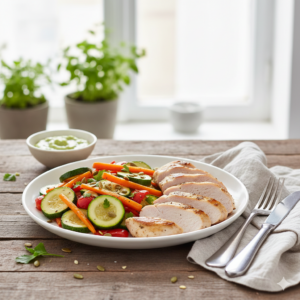
Golden Coconut & Turmeric Chicken Strips | Low-Histamine Recipe
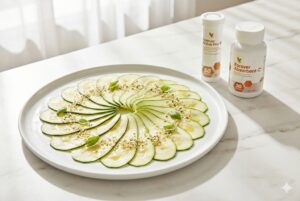
Low Histamine Zucchini Carpaccio – HIT-Safe